What inulin is
Inulin is a naturally occurring soluble dietary fiber belonging to the fructan family — a chain of fructose molecules with a terminal glucose unit. It is found in numerous plants including chicory root (the primary commercial source, typically containing 41% inulin by dry weight), Jerusalem artichokes (16–20%), garlic (9–16%), onions (2–6%), leeks (3–10%), and asparagus (2–3%). In supplement applications, inulin is most commonly derived from chicory root via hot water extraction.
Unlike digestible carbohydrates that are broken down and absorbed in the small intestine, inulin resists hydrolysis by human digestive enzymes throughout the stomach and small intestine and arrives intact in the colon, where it becomes available exclusively to colonic bacteria. This selectivity — reaching the large intestine undigested — is the basis of inulin’s prebiotic classification and its specific value for gut health.
How inulin feeds the microbiome
In the colon, beneficial bacteria — particularly Bifidobacterium and Lactobacillus species — ferment inulin through an enzymatic process that produces short-chain fatty acids (primarily butyrate, propionate, and acetate) along with carbon dioxide and hydrogen gas. This fermentation provides both energy for the bacteria themselves and the metabolically valuable SCFAs that support gut barrier integrity, systemic inflammation control, and insulin sensitivity in the host.
A key characteristic of inulin is its selectivity as a substrate. In the complex ecosystem of the colon, different bacterial species have different abilities to ferment different fiber types. Inulin specifically promotes the growth of Bifidobacterium species — a genus of particular importance for gut health and immune function — while not selectively promoting the growth of harmful bacterial species. This selective fermentation effect is why inulin is classified as a prebiotic rather than simply a dietary fiber: it selectively enriches the microbiome with beneficial strains.
Colon and bowel health
Inulin fermentation produces butyrate, which is the primary energy source for colonocytes (the epithelial cells lining the colon) and is essential for their normal function, proliferation, and apoptosis. Adequate butyrate production supports a healthy colon epithelium, proper gut barrier function, and the controlled cell turnover that maintains colon health long-term.
Inulin also increases stool frequency and stool water content through its SCFA and osmotic effects, supporting regular bowel movements without the harsh laxative effect of stimulant fiber supplements. Multiple published human trials have demonstrated inulin supplementation’s ability to improve constipation-type symptoms, reduce transit time, and improve stool consistency — effects that are directly relevant to the intestinal health and colon health claims that FloraNew targets.
Metabolic benefits
Beyond direct microbiome effects, inulin has demonstrated metabolic benefits in published clinical trials. A systematic review in the British Journal of Nutrition found that inulin supplementation significantly reduced fasting blood glucose, total cholesterol, and triglycerides compared to placebo. These effects are partly mediated by the SCFA propionate, which reaches the liver via the portal vein and inhibits hepatic glucose and fat synthesis, and partly by the gut microbiome changes that improve insulin sensitivity at the tissue level.
Inulin also reduces appetite by increasing GLP-1 and PYY production from intestinal L-cells stimulated by SCFAs — the same satiety hormones whose production is impaired by dysbiosis. Several randomised trials have found that inulin supplementation reduces caloric intake at subsequent meals compared to non-prebiotic fiber controls, suggesting a meaningful appetite-regulating contribution beyond its direct microbiome effects.
Inulin in FloraNew
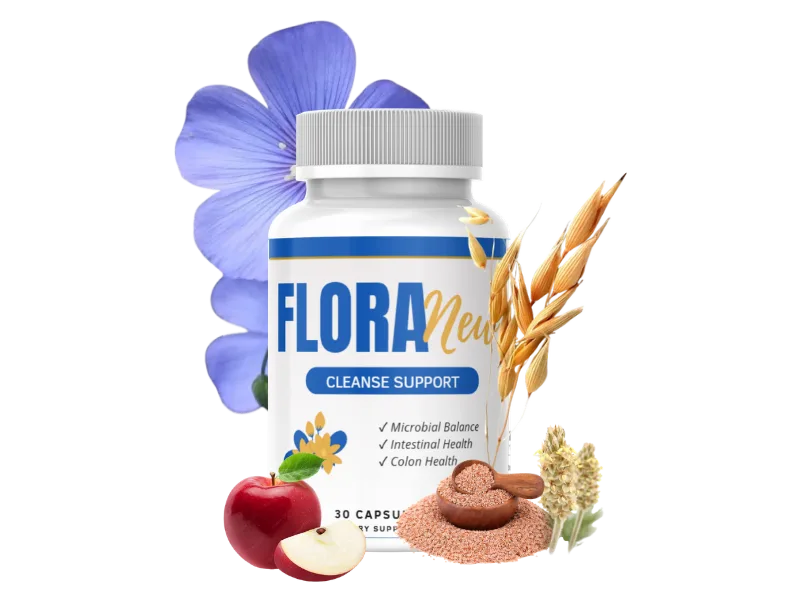
In FloraNew’s formula, Inulin serves as the prebiotic sustenance layer that feeds and maintains the probiotic colony established by the Multi-Strain Probiotic Blend. Probiotics without prebiotics face a survival challenge in the colon: even if they arrive alive via the delayed-release capsule, they must compete with the resident microbiome for colonisation sites and energy substrates. Inulin provides a selective energy source for Bifidobacterium and Lactobacillus strains that gives the incoming probiotic strains a competitive advantage in establishing and sustaining the beneficial microbiome rebalancing that FloraNew is designed to produce.
Explore FloraNew pricing, guarantee and the complete 8-ingredient formula.
🌿 View FloraNewMore articles
More on the FloraNew blog. Official site for pricing and guarantee.